The Criteria for Hazardous Waste: Recognize and Respond
The Criteria for Hazardous Waste: Recognize and Respond
Everyday, industries and households generate vast amounts of waste. While much of it ends up safely in landfills or is recycled, some materials pose serious threats to human health and the environment. These are classified as hazardous wastes. Recognizing and properly responding to hazardous waste is not only a legal obligation but also a moral and environmental necessity. In this comprehensive article, we will explore the criteria for hazardous waste, methods to identify them, effective response strategies, and best practices in hazardous waste management.
What is Hazardous Waste?
Hazardous waste refers to any discarded material--solid, liquid, or gaseous--that contains properties dangerous or potentially harmful to human health or the surrounding ecosystem. The Environmental Protection Agency (EPA) provides specific criteria and definitions to help identify whether a waste should be deemed hazardous. Proper recognition can save lives, protect the environment, and prevent costly fines for businesses or municipalities that mishandle such materials.
Criteria for Hazardous Waste: Basic Principles
Correctly classifying waste as hazardous involves adhering to strict regulatory criteria. In the United States, the EPA--under the Resource Conservation and Recovery Act (RCRA)--set forth the parameters that determine hazardous waste. The essence of these criteria centers around four major characteristics, in addition to listing certain wastes as hazardous regardless of their properties.
The Four Main Characteristics of Hazardous Waste
- Ignitability: Does the waste readily catch fire? Examples include old gasoline, solvents, and some paints. Wastes with a flash point below 60?C (140?F) are considered ignitable.
- Corrosivity: Does the material corrode metals or destroy living tissues? Props like acids, battery fluids, and caustic cleaning agents fall into this category. Chemicals with a pH below 2 or above 12.5 are often classified as corrosive.
- Reactivity: Can the waste react violently with air, water, or other substances? Substances that might explode or produce toxic gases--like sodium metal or cyanides--are classified here.
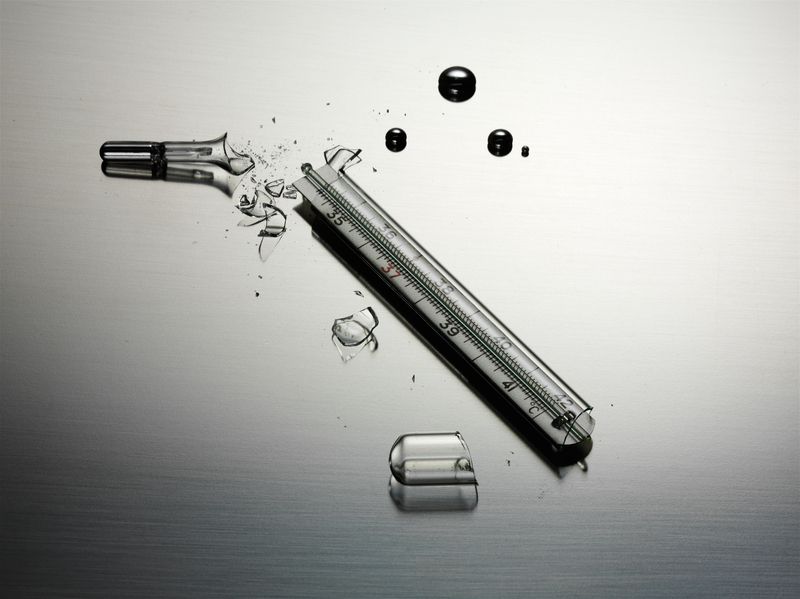
- Toxicity: Is the waste harmful or fatal when ingested or absorbed? Does it leach dangerous chemicals into the soil? Toxic wastes often contain heavy metals (lead, mercury, arsenic) or pesticides.
Listed Hazardous Wastes
Apart from characteristic wastes, the EPA maintains several lists that automatically categorize certain wastes as hazardous. These include:
- F-list: Wastes from non-specific industrial sources, such as solvents used in cleaning or degreasing.
- K-list: Wastes from specific industries, for example, petroleum refiners or pesticide manufacturing.
- P-list and U-list: Discarded commercial chemical products, such as unused pharmaceuticals or off-spec pesticides.
Acute and Chronic Hazardous Wastes
Some hazardous wastes, known as acutely hazardous wastes, are extremely dangerous even in small quantities (e.g., from the P-list). Chronic hazardous wastes may be less immediately harmful but can cause severe problems over time with repeated exposure.
How to Recognize Hazardous Waste: Detection Strategies
Understanding the hazardous waste criteria is the first step, but practical recognition in the field is another challenge. Here's how you can identify potentially hazardous waste:
Check Labels and Safety Data Sheets (SDS)
Manufacturers are required to provide labels and safety data sheets for chemicals and products. These offer vital information about a material's chemical composition, hazards, handling, and storage.
Look for Warning Signs
- Symbols: Skull and crossbones, flame, exclamation marks, and other hazard pictograms.
- Signal Words: Words such as "Danger," "Warning," or "Caution."
- Color Coding: Many chemical containers use color bands or labels to indicate hazards.
Physical Observations
Hazardous wastes often exhibit distinct physical characteristics:
- Strong or Unusual Odors: Chemical or pungent smells can indicate toxicity or flammability.
- Corrosive Action: Evidence of rust, corrosion, or bubbling indicates chemical reactivity or corrosivity.
- Temperature Changes: Spontaneous heating or cooling may signal reactive materials.
Use Hazardous Waste Testing Kits
There are many field test kits that can quickly determine characteristics like pH, flammability, heavy metals, and more. Labs can conduct comprehensive Toxicity Characteristic Leaching Procedure (TCLP) tests to assess toxicity.
*When in doubt, always err on the side of caution and consult with a hazardous waste professional or environmental health and safety expert.*
Common Examples of Hazardous Waste
To better understand the criteria for hazardous waste and their application, here are some common examples:
- Industrial Solvents: Used in degreasing, cleaning, or industrial processes--often ignitable and toxic.
- Automotive Batteries: Contain corrosive acids and toxic heavy metals (lead, cadmium).
- Pesticides: Many are both toxic and persistent in the environment.
- Paints and Thinners: Can be ignitable, toxic, and sometimes reactive.
- Fluorescent Light Tubes: Might contain mercury--a highly toxic metal.
- Electronic Waste (e-waste): Often contains a cocktail of heavy metals and persistent organic pollutants.
- Pharmaceuticals: Expired or discarded medicines, especially those on the U or P lists.
Responding to Hazardous Waste: Key Steps for Safety and Compliance
Recognizing hazardous wastes is crucial, but appropriate response is equally vital to minimize risk. Mishandled hazardous waste can lead to:
- Environmental contamination
- Harm to human health
- Regulatory fines and possible lawsuits
1. Proper Hazardous Waste Segregation
Keep hazardous wastes separate from nonhazardous materials. Incompatible wastes (e.g., acids and bases) must be stored apart to prevent dangerous reactions.
2. Secure Containerization
Use appropriate containers (usually leak-proof and labeled) designed for the specific type of hazardous waste. Never use food or drink containers. Mark each container with the contents and hazard warnings in compliance with OSHA and EPA standards.
3. Safe Storage and Labeling
- Store waste in a designated, secure area.
- Keep incompatible materials apart.
- Use secondary containment to prevent spills and leaks.
4. Establish Emergency Response Plans
Hazardous waste sites or generators must develop and routinely practice emergency procedures for spills, exposures, or accidents. Employees should know how to use spill kits, neutralizers, and safety equipment. Quick response can limit harm and liability.
5. Arrange for Proper Disposal
Hazardous wastes must be transported by certified haulers and delivered to licensed treatment, storage, and disposal facilities (TSDFs). Attempting to dump, landfill, or incinerate waste without permission is a violation of federal law.
6. Maintain Accurate Records
Keep manifests, receipts, and other documentation related to hazardous waste generation, storage, transport, and disposal. This protects your organization and ensures regulatory compliance.
Laws and Regulations Governing Hazardous Waste
Understanding the regulatory landscape is crucial for anyone handling hazardous waste. The main laws in the United States include:
- Resource Conservation and Recovery Act (RCRA): Primary law governing the generation, transportation, treatment, and disposal of hazardous waste.
- Comprehensive Environmental Response, Compensation, and Liability Act (CERCLA/Superfund): Deals with the cleanup of hazardous waste sites and assigns liability for discharges.
- Occupational Safety and Health Administration (OSHA) Regulations: Addresses the safety of workers handling hazardous materials.
- State and Local Regulations: States often have more stringent requirements, so always check local laws.
Responsibility and Liability
*If your organization generates hazardous waste, you are responsible from "cradle to grave" -- from its creation to ultimate disposal.* Failing to properly identify, store, or dispose of hazardous waste can lead to major fines or criminal charges.
Minimizing Hazardous Waste: Prevention and Best Practices
The best waste is the waste never generated. Here's how businesses and individuals can minimize hazardous waste risks:
1. Substitute Safer Materials
- Switch to non-hazardous or less hazardous chemicals where possible.
- Use water-based paints and adhesives instead of solvent-based ones.
2. Inventory Control
- Buy only what you need to prevent expired or unused chemicals from becoming waste.
- Rotate stock so older materials are used first.
3. Employee Training and Awareness
- Educate employees about hazardous waste criteria, recognition, and handling.
- Regular training reduces accidents and ensures compliance.
4. Containment and Proper Storage
- Regularly inspect storage areas for leaks, corrosion, and compatibility.
- Clearly label all containers and keep up-to-date records.
5. Recycle and Reuse
- Some hazardous wastes, like solvents or certain metals, can be recycled, reducing both cost and environmental impact.
The Importance of Community Awareness
It's not just industries that need to be vigilant--households contribute to hazardous waste, too. Unused medications, paints, batteries, and electronics all require proper handling. Many communities organize household hazardous waste collection days, ensuring safe disposal for residents.
- Never pour hazardous waste down the drain, toilet, or in regular garbage.
- Participate in local hazardous waste disposal programs and educate neighbors.
Conclusion: Recognize and Respond with Responsibility
The criteria for identifying hazardous waste are complex yet crucial for the safety of our communities and environment. Being able to recognize hazardous waste--and knowing how to respond appropriately--ensures compliance with the law and helps safeguard public health. Whether you manage a large industrial site or simply want to clean your garage, understanding hazardous waste recognition and response is an essential modern skill.
Stay informed, stay prepared, and always handle hazardous waste with the caution it demands. The well-being of our planet begins with responsible waste management.