Sustainable Sanctuary: Crafting a Waste-Free Home
Are you ready to transform your living space into a waste-free haven? Embracing a sustainable lifestyle doesn't just help the planet--it also fosters health, harmony, and financial savings. In this comprehensive guide, we'll uncover how to design your own sustainable sanctuary and successfully craft a waste-free home that aligns with modern eco-friendly living.
Why Choose a Waste-Free Home?
Today, our planet faces unprecedented environmental challenges--overflowing landfills, rampant pollution, and depleted natural resources. Making eco-conscious choices at home is a powerful way to minimize your ecological impact. A waste-free home:
- Reduces landfill waste and environmental pollution
- Supports a healthier lifestyle for you and your family
- Helps conserve resources and cut down on energy use
- Saves money in the long run by focusing on quality over quantity
- Promotes mindful consumption and minimalism
The journey to a remarkably sustainable sanctuary is well worth the effort and brings lasting environmental, economic, and personal rewards.
The Foundations of a Sustainable Sanctuary
Transitioning to a zero-waste home requires intentional design, ongoing commitment, and thoughtful choices. Focus on four core principles:
- Refuse what you don't need.
- Reduce what you do use.
- Reuse whenever possible.
- Recycle and compost the rest responsibly.
Let's dive into practical strategies for incorporating these principles into every area of your home.
1. Mindful Purchasing: The First Step to Zero-Waste Living
The most sustainable product is the one you never buy. Choose items that are durable, reusable, and packaged with minimal or compostable materials. Ask yourself:
- Do I truly need this product?
- Is there a reusable or package-free alternative?
- Was this ethically and sustainably produced?
Every purchasing decision can support your goal of crafting a waste-free home.
2. Kitchen Makeover: The Heart of a Waste-Free Home
Kitchens are notorious for generating food scraps, single-use plastics, and packaging waste. Transform your kitchen into a sustainable sanctuary using these waste-reducing tips:
- Embrace bulk shopping: Purchase grains, beans, spices, and snacks in bulk using your own containers. Choose stores that offer dispensers for cereals, coffee, and even oils.
- Opt for reusable storage: Replace plastic wraps and bags with beeswax wraps, silicone lids, and glass jars. Invest in high-quality sets that last for years.
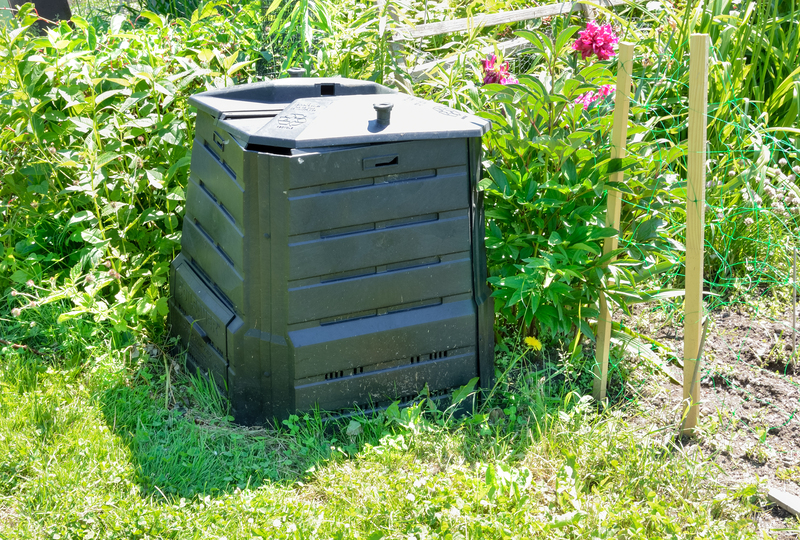
- Compost food scraps: Set up a compost bin for vegetable peels, coffee grounds, and eggshells. Your garden will thank you!
- Cook from scratch: Preparing meals at home using raw, unpackaged ingredients automatically reduces waste and supports healthy eating.
- Say no to bottled water: Use a quality water filter and reusable bottles to cut single-use plastics.
3. Bathroom Bliss: Eco-Friendly Self-Care
It's easy to overlook the amount of waste generated in the bathroom. Here's how to curate a waste-free bathroom sanctuary:
- Switch to bar soaps and shampoos: These come with minimal or compostable packaging and last longer than their liquid counterparts.
- Use bamboo toothbrushes: Compostable handles prevent more plastic from entering landfills.
- Invest in reusable razors: Stainless steel safety razors are durable and eliminate the need for disposable plastic ones.
- Opt for cloth over paper: Try washable makeup remover pads, towels, and reusable menstrual products.
- Buy in bulk: Choose large containers for shampoo and conditioner, or support brands that use closed-loop refill systems.
4. Waste-Free Cleaning Routines
Keep your home sparkling without burdening the environment. Try these waste-free and non-toxic cleaning ideas:
- DIY cleaning solutions: Make your own cleaners using vinegar, baking soda, and citric acid for all-purpose, glass, and bathroom cleaning.
- Refill cleaning products: Support stores that offer refill stations for dish soap, laundry detergent, and multipurpose cleaners.
- Choose compostable tools: Wooden brushes, cotton rags, and natural sponges replace synthetic and single-use options.
- Say goodbye to paper towels: Keep a stack of washable cloths handy for spills and surfaces.
Organizing Your Waste-Free Sanctuary
Decluttering Sustainably: Letting Go with a Light Footprint
A sustainable sanctuary is airy and organized--not cluttered with unnecessary things. When decluttering, avoid sending everything to landfill. Instead:
- Donate usable clothing, books, and furniture to local charities.
- Host a swap party with friends for household goods you no longer need.
- Sell or give away online via community groups or resale apps.
- Recycle responsibly: Take electronics, batteries, and textiles to proper recycling facilities.
- Upcycle old items into new treasures--think planters, rags, or art supplies.
Waste Separation and Storage Solutions
A functional waste-free home needs smart organization. Label bins clearly for recyclables, compost, landfill, and reuse. Store reusable bags and containers near the door so they're never forgotten on shopping trips. Keep your compost caddy within reach in the kitchen. These small tweaks go a long way in supporting daily eco habits.
Decorating Your Eco-Friendly Sanctuary
Choosing Sustainable Materials
The building blocks of a waste-free house start with conscious material selection. Seek out:
- Recycled or reclaimed wood for furniture and flooring
- Organic textiles like cotton, linen, and hemp for bedding and curtains
- Natural fibers for rugs such as sisal, jute, or wool
- Low-VOC paints and finishes to improve indoor air quality
- Secondhand finds: Thrift stores and antique shops are treasure troves for unique and low-impact home decor pieces.
By opting for these sustainable sanctuary essentials, you'll create a cozy atmosphere that nourishes both you and the environment.
Plants and Natural Light
Houseplants purify the air, add greenery, and bring nature indoors. Choose varieties that suit your space and climate, and propagate new plants from cuttings rather than buying more. Maximize natural sunlight by using sheer curtains and light-reflecting paint colors to reduce electricity use.
Energy Efficiency in Your Waste-Free Home
Appliances and Lighting Upgrades
A central component of a sustainable home is minimizing your energy usage. Consider:
- Energy Star appliances: Use less electricity and water, slashing utility bills.
- LED or CFL bulbs: Long-lasting LEDs cut down on waste and use a fraction of the power.
- Smart thermostats: Fine-tune your home's temperature for comfort and savings.
- Unplugging and power strips: Prevent phantom energy loss by unplugging devices or using smart power strips.
Heating, Cooling, and Insulation
Seal windows and doors to keep conditioned air inside, and use thermal curtains to maintain optimal temperatures. If feasible, invest in renewable energy sources such as solar panels or heat pumps to reduce your environmental footprint even further.
Sustainable Habits for Everyday Living
Empowering Every Family Member
For your waste-free sanctuary to flourish, get the whole household involved:
- Make zero-waste living fun and educational through interactive activities, zero-waste challenges, and eco-friendly rewards.
- Assign age-appropriate responsibilities, such as sorting waste, watering plants, or prepping reusable bags.
- Lead by example: Children learn best from observing your everyday eco-friendly actions.
Shopping and Dining the Waste-Free Way
- Bring your own bags, jars, and containers when shopping or getting takeout.
- Support local farmers and food cooperatives for package-free, fresh produce.
- Refuse disposables at restaurants--opt for reusable cutlery, napkins, and straws.
Common Challenges & How to Overcome Them
My Family Won't Commit to Waste-Free Living
Start small and celebrate wins together. Make changes gradually, and highlight the benefits for everyone--less clutter, tastier food, and more savings.
It's Hard to Find Zero-Waste Stores
Look for online retailers that ship with minimal packaging, or form a local community group to request refunds and bulk-buy directly from producers.
Composting Isn't Possible in My Apartment
Try bokashi or worm composting, which work well indoors. Alternatively, partner with community gardens or local compost drop-off programs.
Long-Term Benefits of a Waste-Free, Eco-Friendly Sanctuary
When you craft a waste-free home, you set a powerful example for your community and future generations. Long-term benefits include:
- Significantly smaller environmental impact
- Improved personal well-being and less exposure to chemicals
- More space and mental clarity with less clutter
- Financial savings from reduced consumption
- The joy of living in alignment with your values
Conclusion: Start Your Journey Toward a Sustainable Sanctuary Today
Your home is your refuge--and with thoughtful steps, it can become a true sustainable sanctuary. By incorporating these waste-reducing habits, eco-friendly materials, and energy-efficient solutions, you can craft a zero-waste haven that empowers both your family and the planet.
Remember: waste-free living is a journey, not a destination. Celebrate your progress and inspire others along the way. Let your sustainable sanctuary be a beacon of possibility for a cleaner, greener world!
Ready to get started?
Commit today to making one change--no matter how small--in your home. Your journey towards a truly waste-free home sanctuary starts with a single step!