Ripple Road rubbish clearance guide Barking homes
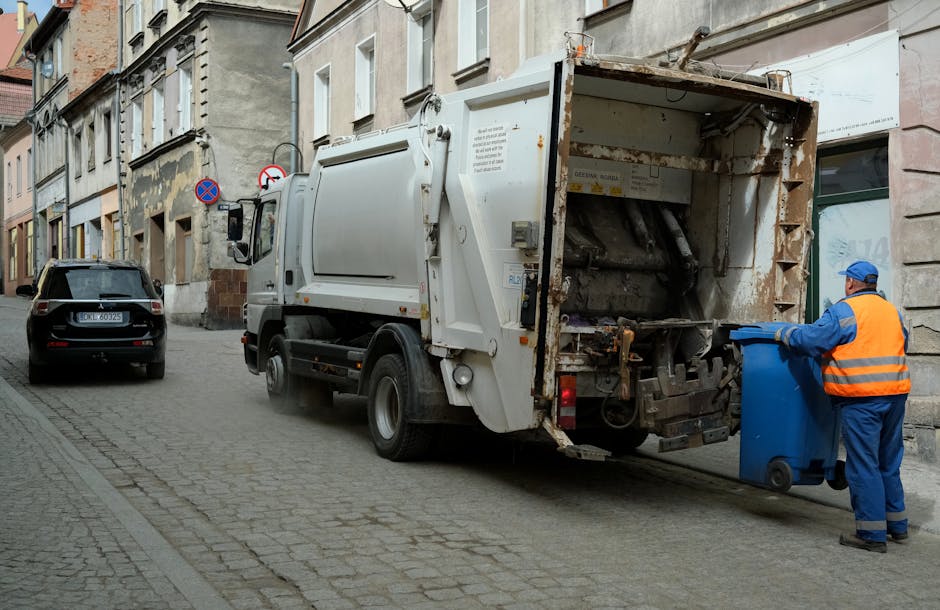
If you live near Ripple Road and your home is starting to feel crowded, you are not alone. Old furniture in the hallway, a loft full of "we'll deal with it later" boxes, garden waste piling up after a weekend tidy-up, or the aftermath of a small renovation can all turn into one big headache. This Ripple Road rubbish clearance guide Barking homes is here to make the whole process feel far less messy, far less stressful, and a lot more manageable.
The goal is simple: help you understand what rubbish clearance involves, how it works in a Barking home, what to look out for, and how to choose the right approach for your situation. Whether you are clearing one bulky item or sorting an entire property, a bit of planning saves time, money, and a fair amount of faff.
And yes, if you have ever looked at a broken wardrobe leaning at an awkward angle and thought, "how did this become my problem?", this guide is for you.
For readers who want to explore related services later, pages such as home clearance, house clearance, furniture disposal, and waste removal may also be useful. If you want to understand the company behind the service, you can also read about us.
Why Ripple Road rubbish clearance guide Barking homes matters
Ripple Road sits in a busy part of Barking, and homes here can face a very ordinary but very real challenge: waste builds up quickly. Flats, terraced houses, older family homes, shared access properties, and homes with limited storage all tend to accumulate items faster than people expect. One spare sofa becomes two. A couple of DIY bags become a mountain of rubble sacks. Before long, you are navigating around things instead of living comfortably.
This matters for a few practical reasons. First, clutter affects how a property feels day to day. You notice it in the time it takes to clean, in the awkward corners that collect dust, and even in the way a room seems smaller than it should. Second, rubbish left too long can create safety issues, especially if it blocks pathways, stairwells, or access to cupboards, meters, loft hatches, or fire exits. Third, if you are preparing to sell, let, or renovate a property, excess waste can make everything slower and more expensive.
There is also the simple reality that not all rubbish is equal. A single mattress is not the same as a garden strip-out. Builders' rubble is different from old books, and electrical items need more thought than a few carrier bags of general junk. That is where a proper clearance plan helps. It stops you guessing.
In our experience, the people who handle rubbish clearance best are not the ones who rush. They are the ones who pause for ten minutes, sort the waste into sensible categories, and then decide what needs a specialist pickup, what can be reused, and what should go to approved disposal. That small pause usually saves a lot of running about later.
Key takeaway: A good rubbish clearance plan protects your space, reduces stress, and helps you choose the most sensible and cost-effective method for your home.
How Ripple Road rubbish clearance guide Barking homes works
For most Barking homes, rubbish clearance follows a fairly simple pattern. You identify what needs removing, decide whether the load is small or substantial, and choose the right collection method. Sometimes that means a quick household tidy-up. Sometimes it means a full property clearance. Sometimes it is something in between, like removing a few bulky items plus a pile of mixed waste from a shed or loft.
Typically, a professional clearance service will ask about the type of waste, the amount, access to the property, parking, and whether there are any awkward items to move. That is not them being nosy. It is the difference between sending the right vehicle and turning up underprepared. If you live on or near Ripple Road, access can matter quite a bit. Narrow entrances, shared stairwells, and tight roadside parking can affect how long the job takes.
The process often looks like this:
- Initial assessment: You describe the waste, the volume, and any access issues.
- Clear quote or estimate: You get a price based on the likely amount of labour, load size, and disposal needs.
- Collection day: Items are loaded safely and efficiently, usually with the least disruption possible.
- Sorting and disposal: Waste is separated where appropriate so recyclable or reusable materials are handled properly.
- Site tidy-up: The space is left clear and ready for use again.
That is the basic flow. The details vary, of course, but that is the practical shape of it. If your waste includes old furniture, you may want to look at furniture clearance or furniture disposal. If the job is larger and affects the whole property, house clearance or flat clearance may be more suitable.
Key benefits and practical advantages
The obvious benefit is space. Once bulky items, broken furniture, and surplus waste are removed, rooms instantly feel more usable. But there is a bit more to it than that.
- Less stress: Clearing waste stops that low-level background worry that builds when clutter keeps staring at you from the corner.
- Safer movement through the home: Clear floors and hallways reduce trips, knocks, and blocked access.
- Better preparation for moving or decorating: If you are repainting, refurbishing, or moving out, a clean start makes everything easier.
- More efficient sorting: A proper clearance helps you separate keep, donate, recycle, and dispose.
- Less chance of accidental fly-tipping mistakes: A responsible service takes waste away correctly rather than leaving you to puzzle out disposal rules.
- Time saved: What might take you several weekends can often be handled in a single organised visit.
There is also a slightly underrated benefit: it changes how a home feels in the morning. A clear kitchen or hallway sounds quieter. You notice the floor again. The place breathes a bit. Sounds dramatic, maybe, but anyone who has cleared a packed room knows the feeling.
For homeowners dealing with outdoor waste, garden clearance can be especially helpful after hedge trimming, shed clear-outs, or end-of-season garden jobs. And if your project involves leftover bricks, plaster, or renovation debris, builders waste clearance is usually the better fit.
Who this is for and when it makes sense
This guide is relevant to a wide range of people, not just those dealing with a major move. In fact, a lot of rubbish clearance jobs are everyday situations that creep up quietly.
You may need clearance if you are:
- clearing out a spare room or box room that has become a storage catch-all
- moving house and discovering how much you have accumulated over the years
- sorting a rental property after tenants leave items behind
- preparing a home for decorating, flooring, or minor refurbishment
- dealing with old furniture that is too heavy or awkward to move yourself
- clearing a garage, loft, shed, or garden in stages
- managing a property after a family member has moved or downsized
- trying to reclaim access in a small flat where every metre matters
For landlords and letting agents, speed and reliability are often the priority. For families, it is usually ease and sensitivity. For homeowners doing DIY, it is more about dealing with mixed waste safely and not letting it sit around for weeks. Different needs, same basic truth: waste has a habit of spreading if you ignore it for too long.
If your needs are more around internal decluttering than complete property clearance, home clearance can still be a neat middle ground. It is often less overwhelming than trying to handle everything alone in one go.
Step-by-step guidance
Here is the simplest sensible way to approach rubbish clearance for a Barking home. Nothing fancy. Just a method that works.
1. Walk through the property slowly
Do one calm walk-through with a notebook or phone. List what needs to go, what might be recyclable, and what requires special handling. Be honest with yourself here. That old side table you keep saying you might repair? If it has been leaning in the corner for eight months, it is probably not a "maybe" anymore.
2. Separate your waste into practical groups
You do not need to become a sorting expert, but rough categories help:
- general household junk
- old furniture
- garden waste
- DIY or builders' waste
- electrical items
- loft or garage clutter
This makes it easier to choose the right service and reduces the chance of waste being mixed in a way that creates extra cost or delay.
3. Check access and lifting issues
Ask yourself: can items be carried safely to the vehicle? Is there stair access? Is there a parking restriction? Are there tight corners, fragile walls, or low ceilings? On Ripple Road, simple access details can make the difference between a smooth half-hour clearance and a job that needs extra care.
4. Decide whether you need a partial or full clearance
A few items may only need a small pickup. A cluttered flat, on the other hand, might be better treated as a flat clearance or house clearance. The more accurately you describe the job, the better the result tends to be.
5. Ask for pricing clarity
Before any collection, make sure you understand what the quote includes. Does it cover labour? Disposal? Heavy lifting? Time on site? If a provider gives vague answers, treat that as a clue. Not a great one.
If you are comparing options, the pricing and quotes page is useful for understanding how to approach costs, while payment and security helps build trust around the transaction side of things.
6. Confirm what happens after collection
Waste should be handled responsibly. Reusable items may be separated, recyclable materials sorted, and the rest disposed of in line with standard UK waste practice. You do not need every technical detail, but you should be comfortable that the load is not just being dumped into a random pile somewhere. Truth be told, that reassurance matters.
Expert tips for better results
Here are a few small things that make a big difference.
- Clear in layers, not all at once. Start with obvious rubbish first. It creates momentum.
- Keep a "maybe" pile separate. That box of old chargers, for example, should not sit in the main waste pile if you are undecided.
- Measure big items roughly. A sofa, wardrobe, or mattress can affect load planning more than people think.
- Photograph the waste before collection. It helps avoid misunderstandings and keeps your quote more accurate.
- Schedule clearance before decorating starts. Paint tins, dust sheets, and clearance waste do not mix neatly, and nobody wants to dance around a heap of rubble while trying to cut wallpaper.
- Think about reuse first. Some furniture may still be useful to someone else even if it no longer suits your home.
A small practical habit I like is this: set a timer for twenty minutes and tackle one zone only. A corner, a cupboard, the end of the hallway. Not the whole house. Just one zone. It sounds almost too simple, but it helps people get moving when the bigger task feels annoying and endless.
If you are dealing with old furniture that is in decent condition, it is worth checking whether furniture clearance is the better route than simply dumping everything. Sometimes the answer is obvious. Sometimes it is not.
Common mistakes to avoid
Most problems with rubbish clearance come from rushing or underestimating the job. That is all. Nothing exotic.
- Not separating waste types: Mixed loads can complicate removal and recycling.
- Forgetting access issues: If a van cannot park close enough, the job may take longer than expected.
- Underestimating volume: "It's only a few bags" has a funny way of becoming a full load.
- Leaving it until the last minute: This is common before moves, decorating projects, and tenant check-outs.
- Ignoring sharp or heavy items: Broken glass, old metal, and damp materials deserve proper handling.
- Assuming all clearance is the same: A garage clear-out is not the same as removing builders' waste or managing a full property clearance.
Another mistake is trying to be heroic and moving everything yourself when the job is clearly too big. We have all seen someone trying to angle a wardrobe through a doorway like it is a live-action puzzle. It rarely ends well. Sometimes the smarter move is to get help.
Tools, resources and recommendations
You do not need a garage full of specialist equipment to prepare for rubbish clearance. A few simple things go a long way.
- strong bin bags or rubble sacks
- marker pens and sticky labels
- gloves for sorting dusty or sharp materials
- a tape measure for bulky furniture
- a phone camera for quick item lists
- basic cleaning supplies for the final tidy-up
For property types that often need a more structured approach, the following pages are handy starting points: loft clearance for hard-to-reach storage spaces, garage clearance for bulky mixed items, and office clearance if the property also includes a work-from-home room, small studio, or outbuilding workspace.
It can also help to check the company's trust and process pages. insurance and safety gives reassurance around responsible working practices, while health and safety policy and recycling and sustainability offer a clearer picture of standards and environmental priorities.
Law, compliance, standards, or best practice
For home rubbish clearance in the UK, the main thing is to make sure waste is handled responsibly and not handed to someone who may dump it illegally. You do not need to become a legal expert, but you should expect professional waste handling, sensible sorting, and safe removal practices.
As a homeowner or tenant, your practical job is to choose a service that is transparent about what it takes away and how it deals with the waste. If you are throwing out electrical items, sharp materials, heavy bags, or anything contaminated, mention that upfront. That keeps everyone safer and avoids awkward surprises on the day.
Best practice also means thinking about neighbours and shared spaces. If you live in a block or on a busy road, waste should be moved without causing unnecessary obstruction, noise, or mess. A little care goes a long way in tight urban streets. That is just common sense, really, but common sense is often the first thing to vanish when someone is in a hurry.
For businesses or mixed-use properties, the rules of planning are similar but the expectations are often stricter. If your home clearance overlaps with a workspace or rental unit, pages like business waste removal may be relevant too.
Options, methods, or comparison table
There are usually three main ways to handle rubbish clearance. The right one depends on volume, time, and how much physical lifting you want to do.
| Method | Best for | Pros | Trade-offs |
|---|---|---|---|
| Self-clearance | Small loads, light waste, very flexible schedules | Lowest direct cost if you already have transport | Time-consuming, lifting heavy items can be awkward, disposal can be more complicated |
| Skip-style approach | Longer projects with steady waste production | Useful for ongoing DIY or renovation work | Needs space, permits may be needed in some cases, can be overkill for small jobs |
| Professional clearance service | Bulky items, mixed waste, full-room or full-property clear-outs | Fast, convenient, less physical effort, often best for access-heavy jobs | Usually costs more than doing it yourself |
For most Barking homes, especially those with stairs, limited parking, or mixed waste, a professional approach is often the smoothest option. Self-clearance can work for a few bags and a small car load, but once you get into sofas, mattresses, shed contents, or builders' debris, the maths changes pretty quickly.
Case study or real-world example
Imagine a typical Ripple Road home where the owner is preparing for internal decorating. The hallway has an old shoe cupboard, the spare room contains a broken desk and two office chairs, and the loft has boxes of mixed household items that nobody has opened in years. There is also some garden waste left after a hedge trim. A classic "we'll sort it later" situation.
The first step is not lifting anything. It is listing what belongs where. The desk and chairs go in one group. The garden waste in another. The loft boxes are sorted separately because they may contain a mix of keep, recycle, and dispose items. Once the items are grouped, the owner can decide whether the job needs a partial clearance or a larger home clearance.
In this kind of scenario, a tidy professional visit often feels transformative because it clears multiple spaces in one go. The rooms stop competing for attention. The decorators can start properly. The owner gets their hallway back. And the loft, well, the loft stops being a museum of forgotten objects.
That is the real value of rubbish clearance in a home setting. It is not just "taking stuff away". It is unlocking the next step in the home's life.
Practical checklist
Use this checklist before booking or starting any rubbish clearance job:
- identify every item that needs removing
- separate general waste, furniture, garden waste, and DIY debris
- check for sharp, heavy, or awkward items
- measure bulky pieces roughly
- note stairs, tight corners, or parking limits
- decide whether you need a partial or full clearance
- take quick photos of the load
- ask how pricing is calculated
- confirm what happens to reusable or recyclable items
- make sure the area is reasonably accessible on the day
- keep pets and children away from the work area
- plan a small tidy-up after the clearance is done
If you are unsure where your job fits, it can help to compare a few relevant service pages such as house clearance, home clearance, and waste removal before making a decision.
Conclusion
Ripple Road rubbish clearance for Barking homes is really about making sensible choices. Clear what you can, sort what matters, and choose the easiest safe route for the rest. Small jobs can be handled quickly. Bigger jobs often need a bit more coordination. Either way, the aim is the same: a cleaner, calmer home and less junk getting in the way of normal life.
When done properly, rubbish clearance feels less like a chore and more like a reset. A freed-up room, a safer hallway, a clean garage floor, a loft that finally makes sense again - those things matter more than they sound. And if you are staring at a pile of items that has been quietly growing for months, that is okay. Start with one corner. Then the next. Bit by bit, it moves.
Get a free quote today and see how much you can save.
For more background on the team behind the service, you may also want to visit the about us page or make use of the contact us page when you are ready to talk through your clearance needs.
Frequently Asked Questions
What is included in a home rubbish clearance near Ripple Road?
It usually includes the removal of general household waste, bulky items, unwanted furniture, bagged rubbish, and other items agreed in advance. The exact scope depends on the property, access, and the type of waste involved.
Is rubbish clearance different from house clearance?
Yes. Rubbish clearance often focuses on specific waste or smaller loads, while house clearance usually covers a broader clear-out of multiple rooms or an entire property. They can overlap, but they are not always the same job.
How do I know whether I need furniture disposal or a full clearance?
If you only have one or two pieces to remove, furniture disposal may be enough. If the furniture is part of a bigger clutter problem, a wider service such as home clearance or house clearance may make more sense.
Can I mix garden waste with household waste?
You can place them in the same overall booking if the service allows it, but they are often better separated before collection. It helps with sorting, pricing clarity, and responsible disposal.
What should I do with items from the loft or garage?
Sort them into keep, donate, recycle, and dispose piles first if you can. Loft and garage spaces tend to contain mixed items, so a little sorting saves time and avoids hauling down things you still want.
How far in advance should I book a clearance?
As soon as you know you need it is usually best, especially if you are working to a move-out date, decorating schedule, or tenancy handover. A bit of lead time makes everything calmer.
Do I need to be at the property during clearance?
That depends on the arrangement. Some people prefer to be there, especially for larger or more sensitive clearances. Others leave access instructions and return when the job is done. Either way, it helps to be clear beforehand.
What affects the price of rubbish clearance?
Volume, weight, access, labour, and the type of waste all influence pricing. Heavy or awkward items, stairs, and limited parking can also affect the cost because they take more time and effort to remove safely.
Is it safe to clear rubbish myself?
For very small loads, yes, as long as you use sensible lifting practices and appropriate protective gear. For heavy, sharp, dusty, or mixed waste, it is safer to get help rather than risk injury or damage.
What happens to recyclable or reusable items?
Responsible clearance services usually sort items where possible so reusable or recyclable materials can be separated from general waste. That is better for the environment and usually a more efficient way to manage the load.
Can builders' debris be taken away with regular household rubbish?
Not always. Builders' debris often needs a dedicated approach because it is heavier and can include plaster, rubble, timber, or mixed renovation waste. A builders waste clearance service is often the more suitable option.
What if I also need a small office or workspace cleared?
Then a combined approach may be better. If the property includes a work area, small office, or home workspace, you may find office clearance useful alongside your home clear-out.
Where can I learn more about recycling and responsible disposal?
A good starting point is the site's recycling and sustainability information, which helps explain the general approach to handling waste more responsibly.